
Make every shelf
work harder.
Turn retail space into a consistent brand and conversion environment with visual merchandising design, implementation and audit.
- ✓ VM Strategy
- ✓ Store Implementation
- ✓ Planogram Support
- ✓ POSM Execution
- ✓ VM Audits
- ✓ Field Intelligence
Marconix at a glance
Company-level figures for Marconix as a whole. They are not Visual Merchandising-specific results.
Consistent brand presence at the shelf and in the store
Visual Merchandising turns retail space into a consistent brand and conversion environment. Marconix defines visibility standards, implements displays and point-of-sale materials in stores, supports planograms, and audits compliance with field action to correct gaps.
- What it covers
- VM strategy, store implementation, planogram support, POSM execution, VM audits and field intelligence.
- Who it is for
- Brands that want their products placed, displayed and presented consistently across stores.
- How it is delivered
- Standards are defined, implemented in selected stores, audited and corrected through field action.
- How it is measured
- Planogram and POSM compliance, on-shelf availability and share of shelf, agreed in the brief.
Built for brands that depend on how they look in store
Visual Merchandising suits brands that sell through retail and want consistent visibility. Standards are configured around the brand, the category and the store formats involved.
Problems Visual Merchandising helps address
These are common challenges in retail visibility. The right scope for each brand is agreed during the engagement.
Standards that do not reach the shelf
Guidelines written at head office are not always applied in store. Implementation and audit close the gap.
Inconsistent placement and navigation
Products are placed differently from store to store. Planogram support improves placement and navigation.
Point-of-sale material that is missing or neglected
Materials that are not deployed or maintained lose their effect. POSM execution keeps them in place.
Compliance that is assumed, not checked
Without audits, nobody knows how closely stores follow the standard. VM audits make compliance visible.
Gaps that stay open
Findings from an audit are of little use unless someone acts on them. Field action corrects what the audit finds.
Six areas of visual merchandising
Which areas are in scope is agreed for each client.
VM strategy
Creating category and brand visibility standards.
Store implementation
Executing displays and merchandising in stores.
Planogram support
Improving product placement and navigation.
POSM execution
Deploying and maintaining point-of-sale materials.
VM audits
Checking compliance and quality.
Field intelligence
Capturing store-level insights.
The measures visual merchandising is built around
These terms describe what a brand’s standard is checked against in the store.
Planogram
The agreed layout of products on a shelf or fixture.
POSM
Point-of-sale materials such as signage, displays and promotional collateral.
On-shelf availability
Whether the product is present on the shelf when the shopper looks for it.
Share of shelf
How much of the shelf the brand occupies compared with the category.
What can I hire Marconix Visual Merchandising to do?
Most engagements start from one of these needs. Stores, standards and commercial terms are agreed for each client.
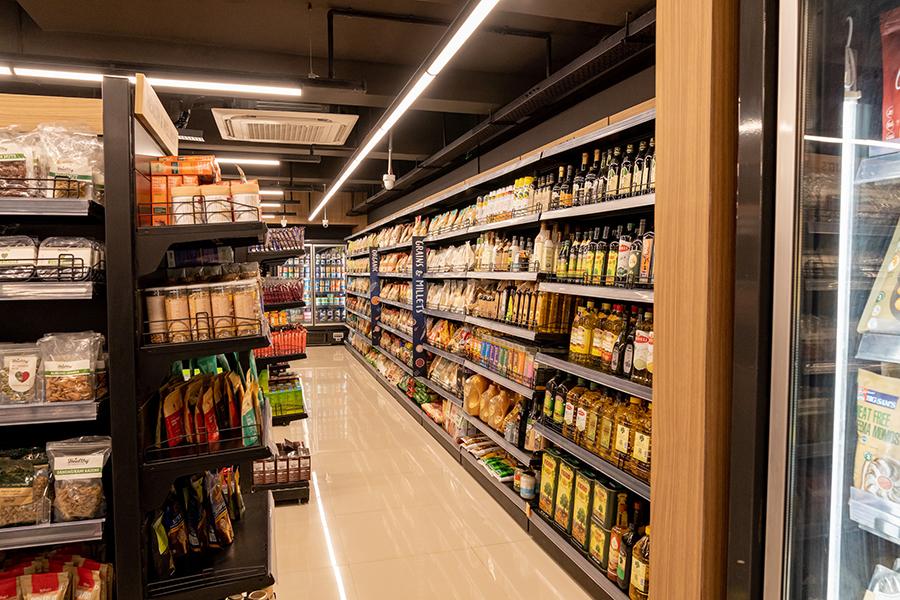
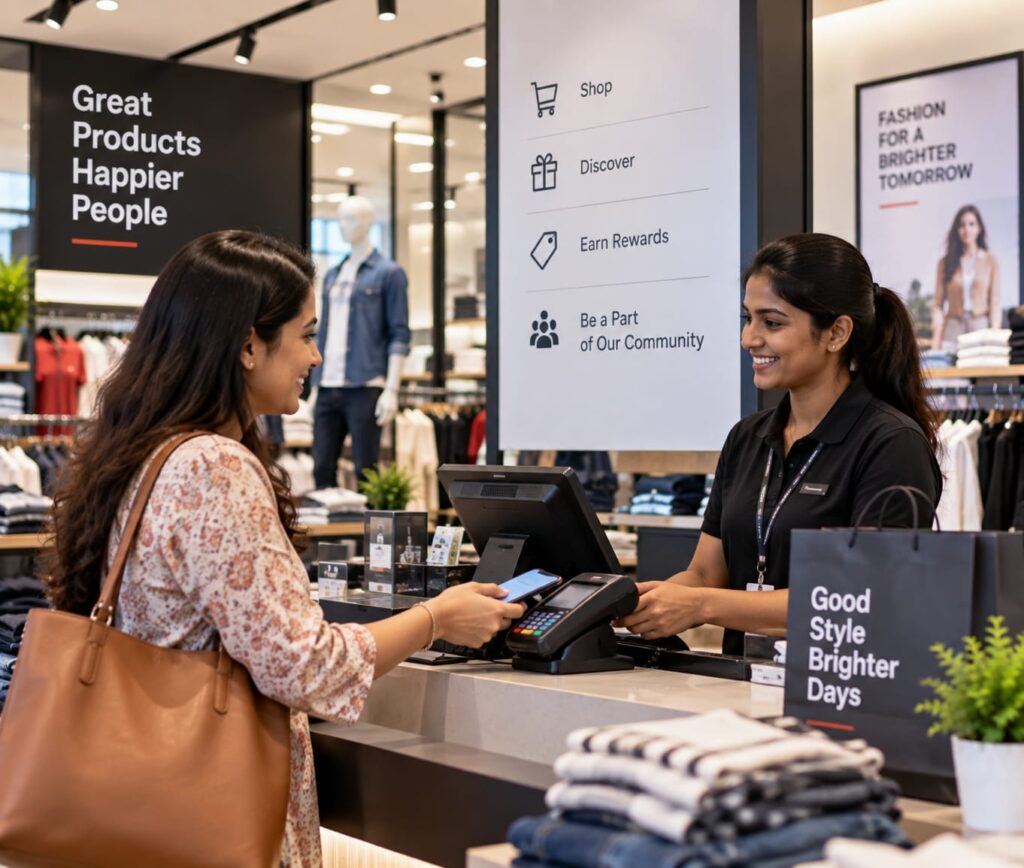
Illustrative images. They are not photographs of specific client projects.
Define a visibility standard
Category and brand visibility standards are agreed before implementation begins.
Best forBrands without a clear in-store standard.
Implement displays across selected stores
Merchandisers execute displays and merchandising in the stores chosen for the program.
Best forBrands rolling out a new look, range or campaign in stores.
Improve product placement
Planogram support improves how products are placed and how shoppers navigate to them.
Best forBrands whose products are poorly placed or hard to find.
Deploy and maintain POSM
Point-of-sale materials are put in place and kept in place.
Best forBrands whose POSM is deployed once and then neglected.
Audit compliance
Stores are audited against the agreed standard and compliance is reported.
Best forBrands that need to know how closely stores follow the standard.
Correct gaps and extend what works
Field action fixes what audits find, and successful standards are expanded.
Best forBrands that want audit findings turned into action.
Stores, standards and commercial terms are agreed for each engagement rather than fixed in advance.
A loop of standard, implementation and audit
Visibility holds only if it is checked. Four mechanisms close the loop. The specifics are agreed for each engagement.
Agreed standards
Visibility standards and priorities are defined with the client.
Retailer coordination
Merchandising is coordinated with retailers and store teams.
Audit and verification
Compliance is checked against the standard and recorded.
Correction and reporting
Gaps are fixed through field action and results are reported.
The Marconix visual merchandising process
A six-stage sequence, adapted to the brand, the category and the store formats.
- Step 01
Assess
Review current retail visibility.
- Step 02
Design
Define standards and priorities.
- Step 03
Deploy
Implement across selected stores.
- Step 04
Audit
Measure compliance.
- Step 05
Correct
Fix gaps with field action.
- Step 06
Scale
Expand successful standards.
How visual merchandising is measured
Measures are agreed with each client. Typical measures may include the areas below.
Planogram compliance
Adherence to the agreed layout.
POSM compliance
Presence and condition of point-of-sale materials.
On-shelf availability
Whether the product is present on the shelf.
Share of shelf
The brand’s share of the shelf against the category.
Display execution
Displays implemented as agreed in the selected stores.
Gaps corrected
Audit findings that have been fixed through field action.
Marconix does not quote benchmark figures here, because results depend on the category, stores and standard. Measures and targets are agreed with each client.
Trusted by businesses across industries.
Businesses that have worked with Marconix across its services. The logos represent businesses that have worked with Marconix across its services and do not indicate which service each business used.










































How a Visual Merchandising engagement works commercially
Engagements begin with a conversation about the brand’s stores, standards and goals.
- 01
Conversation
Marconix learns about the brand’s stores, standards and goals.
- 02
Proposal
A proposal covers the scope, implementation, audit and reporting.
- 03
Commercial terms and timelines
Both are discussed and confirmed in the proposal.
Visual Merchandising FAQs
Clear answers to the questions buyers ask most.
What does visual merchandising include?
Marconix’s service covers visibility standards, store implementation, planogram support, POSM execution, VM audits and store-level field intelligence. Which areas are in scope is agreed for each client.
What is a planogram and why does compliance matter?
A planogram is the agreed layout of products on a shelf or fixture. Compliance matters because a product that is placed as agreed is easier for shoppers to find, which supports its visibility and availability.
What is POSM?
POSM stands for point-of-sale materials, such as signage, displays and promotional collateral used in stores. Marconix deploys and maintains POSM as part of its visual merchandising service, where it is in scope.
Does Marconix provide merchandisers for general trade and modern trade?
Merchandiser requirements for general trade and modern trade outlets are discussed and agreed in the brief.
How is merchandising compliance verified?
Stores are audited against the agreed standard and compliance is recorded and reported. Findings are corrected through field action. The audit approach is agreed for each engagement.
Which measures does Marconix report?
Measures are agreed with each client and can include planogram compliance, POSM compliance, on-shelf availability, share of shelf, display execution and gaps corrected. Marconix does not quote benchmark figures.
How is Visual Merchandising different from Retail & Trade Sales?
Retail & Trade Sales is an ongoing outlet coverage and execution function. Visual Merchandising is focused on visibility standards, implementation and audit in stores. The two can be combined.
How does a Visual Merchandising engagement begin?
An engagement begins with a conversation about the brand’s stores, standards and goals. Marconix then prepares a proposal covering the scope, implementation, audit and reporting, and commercial terms and timelines are confirmed in that proposal.
Discuss your visual merchandising requirement
Share your stores, standards and goals. Marconix will prepare a proposal covering the scope, implementation, audit and reporting.